
The United States has raised concerns over ethical practices in Kenya’s media industry, warning that undisclosed paid content and external influence risk eroding public trust and weakening the role of journalism.
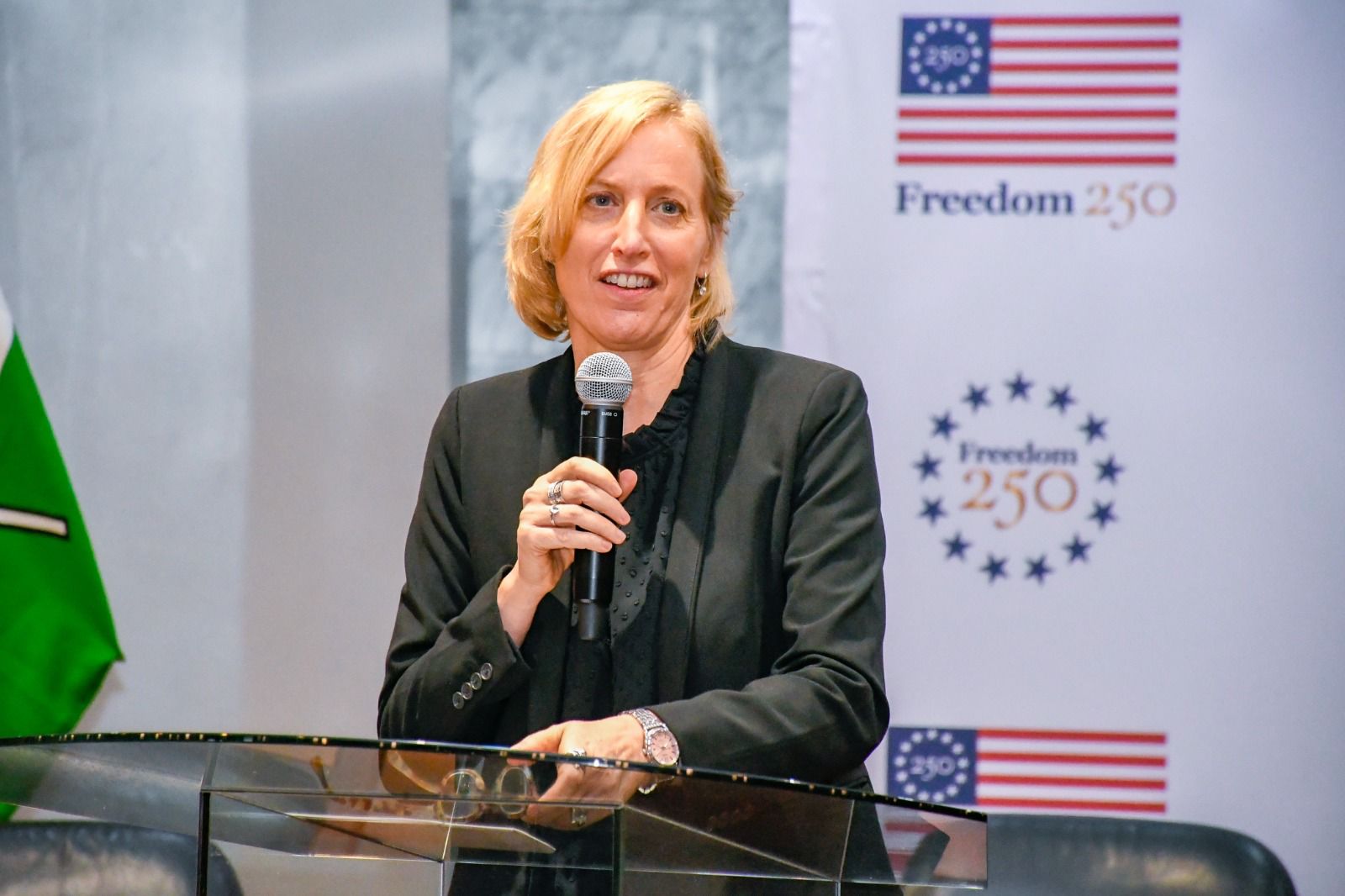
Speaking at the University of Nairobi, acting US Ambassador Susan Burns delivered a pointed critique of practices she said undermine editorial independence.


Burns said Kenya’s constitutional protections for a free press remain strong, but warned that some trends within the media industry threaten to dilute those gains.
“Offering editorial space to the highest bidder is selling out your freedom,” she said, in reference to the growing concern over paid-for content appearing as independent journalism.
She also criticised “brown envelope journalism”—the practice of accepting payment or other incentives in exchange for favourable coverage—as well as the publication of opinion pieces written by external actors without proper disclosure.
“This practice – whether you call it “brown envelope syndrome” or just plain malign propaganda – undercuts editorial independence and will eventually destroy your most important resource: trust”.
“When opinions are written elsewhere, imported into the newsroom, and published without disclosure, the byline becomes a mask,” Burns said. “And journalism’s ability to be a voice for its audiences is diminished.”
The comments come at a time when Kenya’s media industry is grappling with financial pressures, including delayed advertising payments and shifting revenue models driven by digital disruption. Burns acknowledged these challenges but cautioned against compromising ethical standards as a response.
“I recognize that Kenyan media are struggling… [but] offering editorial space to the highest bidder is selling out your freedom,” she said.
The envoy also revealed that the US Embassy in Nairobi had previously been approached by media houses seeking payment for interviews or the placement of guest columns, requests she said were declined.
“I’m not going to name names, but I assure you we did not pay for coverage,” she said.
Burns stressed that transparency over financial influence is essential to maintaining credibility, urging journalists and media houses to disclose any external support behind published content.
“Kenyan citizens have the right to know who is paying for their news—whether this is a local business, a politician, or a foreign government,” she said.
The envoy also drew a contrast with media practices in the United States, where she said government-controlled advertising does not play a significant role in funding journalism, and where reporters operate without state licensing requirements.
She emphasised that while the US supports media development in Kenya, including training and exchange programmes, it does not fund undisclosed content or attempt to influence editorial decisions.
“We do not pay journalists to write pro-American pieces under their bylines without disclosure, nor do we censor or pre-screen their coverage,” Burns said.
Her speech comes ahead of World Press Freedom Day, observed annually on May 3, and at a time when global concerns are growing over misinformation, artificial intelligence-generated content, and declining trust in traditional media.
Burns warned that in such an environment, credibility is journalism’s most valuable asset.
“In this era of deep fakes and AI-generated content, trust is more important than ever,” she said.
Despite the concerns raised, the envoy praised Kenyan journalists for their role in exposing corruption, amplifying public voices, and contributing to democratic accountability.
However, she urged the industry to confront internal weaknesses in order to safeguard its future.