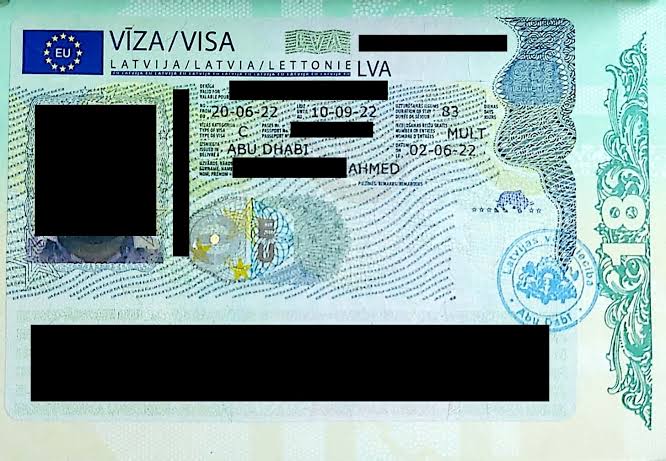
The Embassy of Hungary in Nairobi has warned Kenyans against fraudsters allegedly using the diplomatic mission's name to solicit money for visa processing and promising to secure Type D visas for entry into Latvia.
In a public notice on Tuesday, the Embassy said it had become aware of individuals offering to handle visa-related matters, while falsely claiming to represent the mission.
The Embassy distanced itself from the activities, warning that those involved were neither authorised to act on its behalf nor permitted to undertake visa processing or intermediary services representing the mission.
“The Embassy firmly disassociates itself from such activities and emphasizes that the individuals involved are not authorized to act on behalf of the Embassy, nor are they permitted to engage in any visa processing or intermediary services representing the Embassy,” the statement read.
The mission also clarified that the Ambassador has no role in determining the outcome of visa applications, warning against individuals who might invoke the Ambassador's name to convince prospective travellers that they can influence the process.
“The Ambassador does not participate—either directly or indirectly—in the processing, assessment, or facilitation of visa applications,” the Embassy said.
It urged Kenyans to exercise heightened caution when approached with such offers and to obtain information on visa applications exclusively through official consular channels.
The Embassy handles applications for Schengen visas to Latvia on behalf of the Latvian authorities for eligible applicants in Kenya but this arrangement does not extend to issuing Latvia's national long-stay visas.
How Kenyans can legally apply for Hungarian and Latvian visas
The Embassy has designated VFS Global to handle visa applications on its behalf in Nairobi, including applications from travellers wishing to visit Latvia.
Applicants seeking a short-stay visa to Hungary or Latvia should thus follow the official VFS application procedure rather than engage individuals claiming to have special access to the Embassy.
Applicants for a Schengen visa must identify the country that is their main destination. Where Hungary is the principal destination, the application can be lodged through the Hungarian visa application arrangements in Nairobi. Where Latvia is the main destination, eligible Kenyan applicants can use Hungary's representation of Latvia.
The Embassy requires applicants to submit a completed and signed application form, a valid passport, passport photographs, travel medical insurance, proof of accommodation, flight booking and evidence of sufficient financial means to cover their stay and return journey.
Additional documentation depends on the purpose of travel. Tourists, for instance, are required to provide a detailed itinerary, while business travellers and conference participants need invitation letters and supporting documentation from their employers or organisations.
Applicants must also provide biometric information, including fingerprints and a digital photograph.
The Embassy advises submitting applications at least 15 calendar days before departure, although applications can be lodged up to six months in advance. Processing normally takes 15 days but can be extended to 45 days in certain circumstances.
Understanding the different visa categories
Hungary, as a member of the Schengen Area, issues short-stay Schengen visas, commonly referred to as Type C visas, for temporary visits.
These allow travellers to stay for a maximum of 90 days within any 180-day period. Depending on the application and decision, they can be issued for single, double or multiple entries.
They cover purposes including tourism, business, family and friends visits, conferences, cultural activities, sporting events, medical treatment and other short-term engagements.
For people intending to stay in Hungary for more than 90 days, a national long-stay visa and the relevant residence permit procedure apply.
These arrangements cover purposes such as employment, studies, family reunification and other qualifying long-term activities, depending on the applicable immigration category and requirements.
Unlike short-stay Schengen visas, long-stay applications are assessed under the national immigration rules of the country concerned.
The Hungarian Embassy says long-stay and residence permit applications require supporting documents establishing the purpose of stay, accommodation arrangements, financial means and health insurance.
It further notes that decisions on Hungarian residence permit applications fall under the National Directorate-General for Aliens Policing, rather than the Ambassador or individual intermediaries.
Importantly, a Hungarian national long-stay visa is not interchangeable with a Latvian Type D visa. Applications for the latter must follow Latvia's own national immigration procedures.
The European Commission explains that Schengen visas cover temporary visits of up to 90 days, while stays exceeding that period are governed by national procedures.
The Embassy also cautions that submitting the required documents does not guarantee approval, as every application is assessed individually.