The National Treasury's projection that Kenya's economy will grow by 5.1 per cent in 2027 is facing scrutiny after the World Bank and African Development Bank forecast slower expansion.
The Institute of Public Finance on Wednesday said the Treasury's growth and revenue projections for the 2027-28 financial year are overly optimistic, particularly given the historical slowdown in economic activity during election years and the risks posed by external prices and climate shocks.
“The National Treasury projects that Kenya’s economy will grow by 5.1% in 2027, a much higher growth rate compared to the World Bank’s growth projection of 4.4% and the African Development Bank’s projection of 4.7 percent. Our analysis notes that growth has generally dipped around election years, making the projected growth too high," IPF said.
In its seventh Annual National Shadow Budget launched in Nairobi, IPF warned that relying on ambitious economic projections could result in revenue shortfalls, increased borrowing and disruptions to public service delivery.
IPF argues that Kenya's economic growth has generally slowed during election years, making the Treasury's projection difficult to reconcile with historical performance.
The concerns extend to revenue collection, with Treasury targeting Sh3.923 trillion in total revenue, including Sh3.139 trillion from taxes.
Although the tax revenue target has been revised downwards from the initial Sh4.004 trillion, IPF says it remains ambitious.
Its analysis estimates that maintaining the average tax revenue growth recorded over the past decade would generate approximately Sh2.9 trillion, about Sh235 billion below the Treasury's target.
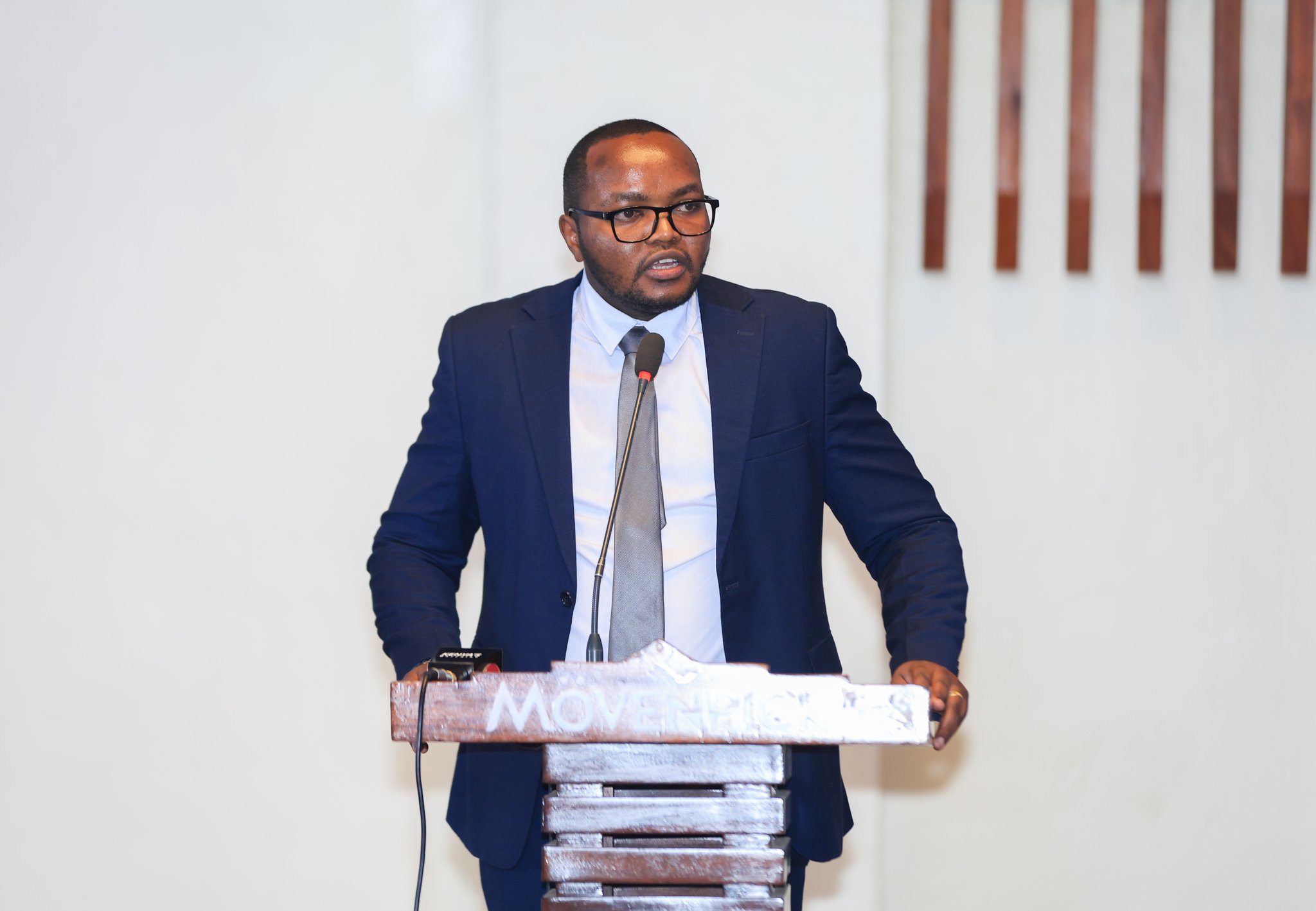
Institute of Public Finance CEO Daniel Ndirangu said Parliament should interrogate the economic assumptions before approving expenditure plans for the coming financial year.
“Treasury is asking Parliament to approve spending that rests on growth and revenue figures above what independent forecasters and Kenya’s own record would support. In an election year, that is a risk MPs should not sign off without hard questions,” Ndirangu said.
The warning comes as Kenya faces mounting public debt and rising interest payments, which are expected to consume a significant proportion of government revenue.
Public debt stood at Sh13.1 trillion, equivalent to 70.4 per cent of GDP, by June 2026 and has since increased to Sh13.5 trillion, according to Central Bank of Kenya data cited by IPF.
Interest payments are projected to reach Sh1.315 trillion in the 2027-28 financial year, equivalent to approximately 40 per cent of projected ordinary revenue.
This means for every Sh100 collected by the government, Sh40 will go towards paying interest on public debt.
IPF also found that approximately 21 per cent of the Sh983.7 billion borrowed in the 2025-26 financial year financed recurrent expenditure rather than development projects.
The institute identified 219 stalled, incomplete or delayed national government projects worth Sh291.2 billion in the 2024-25 financial year, up from 188 projects valued at Sh240.5 billion a year earlier.
The report further raised concerns over declining allocations to essential social services.
In healthcare, claims against the Social Health Insurance Fund exceeded contributions by 59 per cent in 2024-25, while the Health Insurance Subsidy Programme received approximately Sh310 million against an estimated requirement of Sh37 billion to Sh39 billion.
Education funding has also come under pressure, with the allocation to the State Department for Basic Education declining from Sh155.4 billion in 2023-24 to Sh132.7 billion in 2025-26.
IPF is asking Parliament to revise the economic growth forecast towards the 4.4 to 4.7 per cent range and set tax revenue expectations closer to Sh2.9 trillion.
It also wants lawmakers to require Treasury to prepare a contingency plan for revenue shortfalls before approving the 2027-28 budget estimates.
The institute further recommends prioritising the completion of existing projects before introducing new ones and increasing education capitation to account for inflation.
The recommendations come as Parliament considers the 2027 Budget Policy Statement, which will guide the government's spending priorities and fiscal framework for the 2027-28 financial year.