

Burundi has stepped up pressure on Kenya over the treatment of its nationals, warning that continued anti-Burundi rhetoric could have consequences for Kenyans living in Burundi.
Burundi’s Foreign Minister Édouard Bizimana has warned that “things will certainly change” if what he described as hate speech against Burundians in Kenya continues.


The remark by Bizimana points to the escalating diplomatic dispute triggered by Kenya’s move to enforce rules governing foreign traders and workers.
The minister said Kenyans living in Burundi were doing so peacefully, while placing responsibility on the Kenyan government for the safety of Burundian nationals in Kenya.
The warning came after a series of statements from Burundian officials expressing concern over the treatment of their citizens following President William Ruto’s remarks on foreign nationals engaged in small-scale businesses.
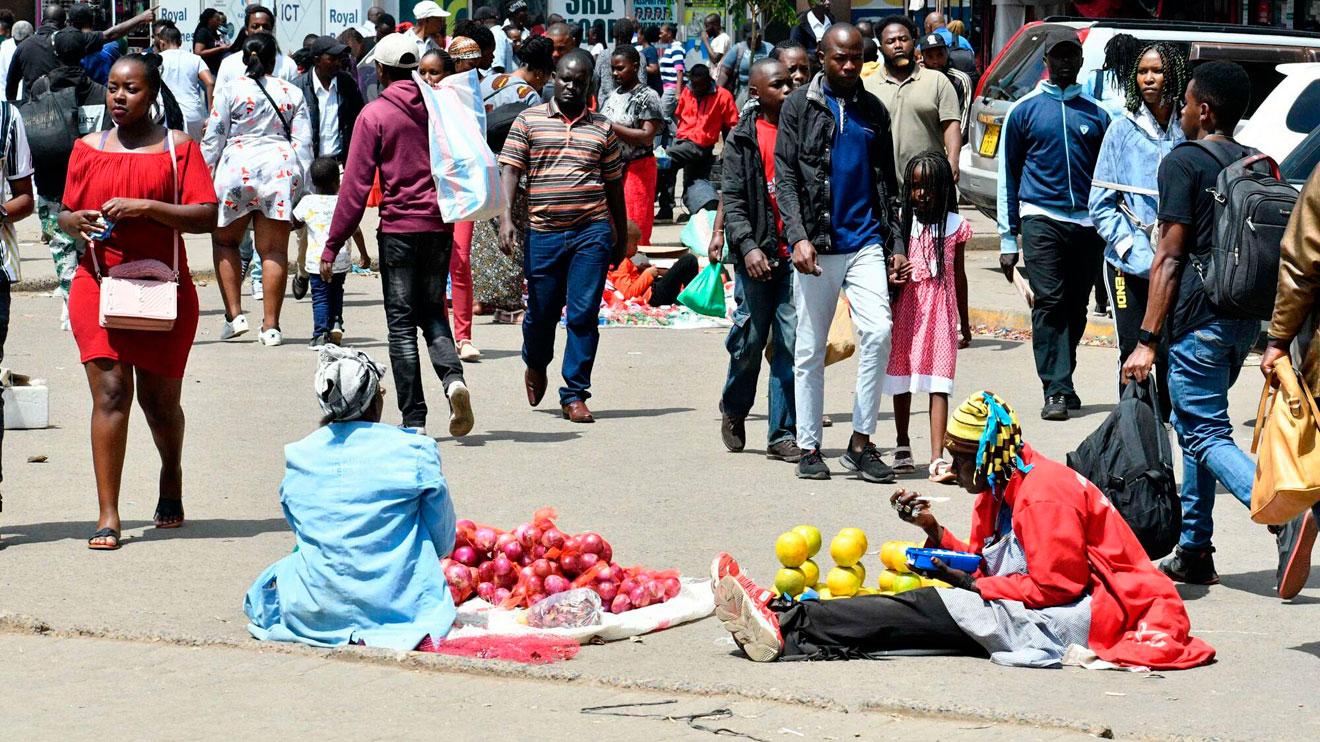
The controversy began after Ruto, addressing micro, small and medium-sized traders at State House on September 2, said Kenya had not built investor confidence to attract foreigners to engage in hawking and other small-scale retail activities.
He also referred to a Local Content Bill before Parliament that seeks to reserve some economic activities for Kenyans.
The remarks were subsequently interpreted, including by French newspaper Le Monde, as a directive to shut down small businesses operated by foreigners.
Kenya has since moved to clarify that its position is not a blanket prohibition on foreign nationals doing business in the country.
Foreign Affairs Principal Secretary Korir Sing’Oei said Le Monde had taken the President’s comments out of context, arguing that Ruto was responding to the debate surrounding the Local Content Bill.
Sing’Oei assured foreign traders and employees that those with the necessary work permits and business licences remained legally protected.
“Burundian nationals and all East Africans—and Africans for that matter—are free to live in Kenya as long as they conduct their businesses or work according to the requirements of our law,” Sing’Oei said.
Trade Cabinet Secretary Lee Kinyanjui similarly stressed that visa-free entry into Kenya does not automatically confer the right to work, trade or operate a business. Foreign nationals are required to comply with immigration, work-permit and licensing requirements.
But the Kenyan clarification has not stopped concern in Burundi.
On September 4, Ambassador Fred Ngoga appealed to Kenyans not to harm Burundian nationals, describing them as peaceful and respectful.
“Our country [is] facing challenges, tomorrow might be yours. We appeal to your humanity. Please don’t harm ours!” Ngoga, from Office of the AU Commissioner for Political Affairs, Peace and Security, said.
In a subsequent message, Ngoga invoked the broader regional integration framework, reminding Kenya that Burundi and Kenya are members of the East African Community.
He also pointed to Burundi’s role as chair of the African Union this year and Kenya’s role as an advocate of AU reform, presenting the dispute against the backdrop of wider African and East African integration.
Burundi Embassy in Nairobi has announced its efforts to facilitate the safe return of citizens who wish to go home.
The embassy on Sunday announced that free laisser-passer travel documents will be issued to Burundian nationals wishing to return to Burundi from Monday.
The simmering dispute yet again reflects the tension in East Africa’s integration project.
Partner states are struggling to balance between protecting opportunities for their own citizens and managing the free movement of people within EAC.
Burundi joined the EAC in 2007, alongside Rwanda, and is therefore part of the regional bloc’s Common Market framework.