
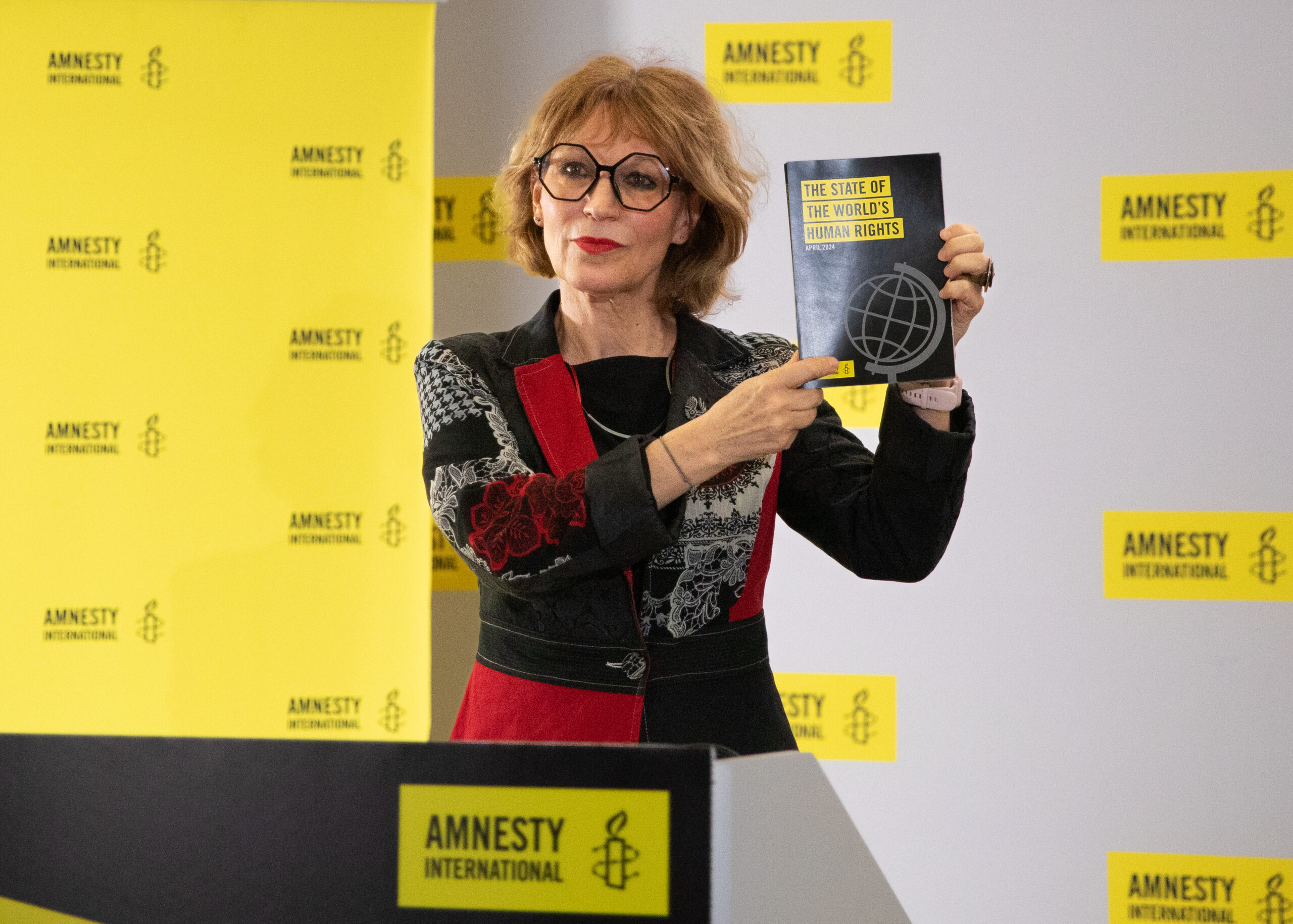
Amnesty International Secretary General Agnes Callamard has warned that Kenya’s handling of taxation, public spending and debt reflects authoritarian practices that are undermining democratic accountability.
Drawing parallels with challenges facing Europe in a statement published on X, Callamard linked the wave of youth-led protests that has swept Kenya since 2023 to rising living costs, the removal of subsidies and increased taxation.


She noted that the government has responded to mounting economic grievances with repression rather than redress.
The Amnesty boss said the government had deployed authoritarian rhetoric, including portraying protesters as economic saboteurs.
“Instead of redressing these economic challenges, the government has used both authoritarian narratives, such as vilification of protesters as economic saboteurs, as well as authoritarian methods such as excessive use of force to counter or supress public protests and other forms of dissent,” Callamard said.
Callamard’s criticism went beyond the streets, arguing that similar practices had infiltrated the management of public finances, including tax policy, budget decisions and public debt.
She accused the government of disregarding public petitions on taxation, undermining public participation in public finance decisions and overriding oversight institutions, including the judiciary and the media.
“If you are in Europe right now, all of these may sound familiar,” Callamard said, placing Kenya’s experience within a broader debate about democratic governance and the exercise of state power.
Callard was reflecting on Amnesty’s recent report headlined “Human Rights Under Siege: Unpacking Authoritarian Practices in an Era of Economic Pressure amid Youth-Led Protests in Kenya”..
The study documents how between 2023 and 2025, increased food and transport costs, levies and tax hikes, high public debt, corruption, rising poverty and inequality, as well as broken electoral promises led to public anger and protests.
The cost of living, taxation and access to basic services have become central to public discontent in Kenya, where the government has faced pressure to raise revenue while meeting spending obligations and managing public debt.
Callamard argued that these economic pressures have contributed to an upsurge in civic action, particularly among young people, who have used street demonstrations and digital platforms to challenge government policies.
She noted that the response to such activism is a test of democratic accountability.
The situation also touches on the constitutional framework governing Kenya’s public finances. Public participation is a central requirement in budget-making and other public decisions, while independent institutions are expected to provide checks on executive power.
Callamard said these safeguards have been undermined in the formulation of tax policy, decisions on the national budget and the management of public debt.