
Sudan says the process of lifting its ban on Kenyan tea exports has reached its final stages, raising hopes of restoring a market worth tens of millions of dollars annually.
The bilateral trade was disrupted after a diplomatic dispute over Kenya’s engagement with Sudan’s paramilitary Rapid Support Forces (RSF).


Sudanese Ambassador to Kenya Kamal Jabara Gubara announced the progress during a press briefing in Nairobi, attributing the reversal to “sustained requests and appeals from Kenyans, including tea farmers, traders, exporters”.
“The process of lifting the ban on Kenyan tea exports to Sudan has reached its final stages,” the ambassador said.
The announcement comes more than 18 months after Khartoum suspended imports from Kenya in retaliation for Nairobi hosting RSF leaders and allied Sudanese political groups.
The paramilitary group and their allies signed a charter in February 2025 in Nairobi, outlining plans to establish a parallel administration in Sudan.
The Sudanese government accused Kenya of interfering in its internal affairs and undermining its sovereignty.
Nairobi’s decision to host the meetings triggered a diplomatic fallout, with Khartoum recalling its ambassador in February 2025 before imposing an indefinite ban on Kenyan imports on March 11.
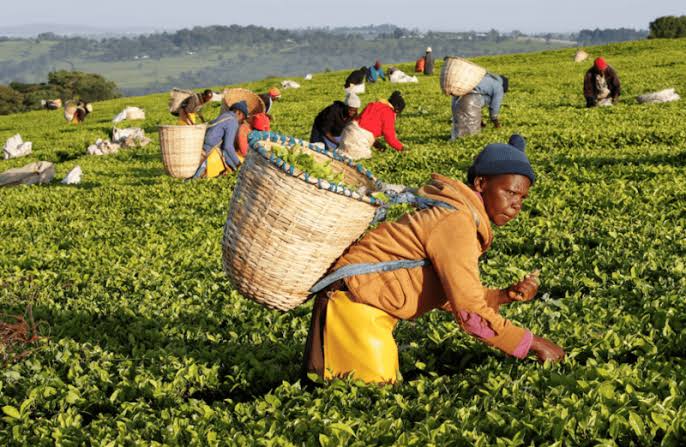
The restrictions covered all Kenyan products, although tea emerged as one of the most commercially significant casualties because of Sudan’s importance as a destination for Kenyan black tea.
Sudan had been among Kenya’s major tea buyers, importing an estimated 35 million kilogrammes annually, valued at approximately $69 million.
The suspension shut Kenyan exporters out of a substantial market and forced businesses to seek alternative destinations for produce prepared for Sudanese consumers.
The financial consequences were immediate. Industry representatives reported that 207 containers of Kenyan tea were stranded at the Port of Mombasa when the ban took effect. More than 3.44 million kilogrammes of tea, valued at over $10.3 million, were subsequently reported to be sitting in warehouses after exporters struggled to redirect consignments specifically blended and packaged for the Sudanese market.
The losses extended beyond exporters to farmers, traders, transporters and other businesses dependent on the tea supply chain. The disruption also raised concerns over export earnings and payments to tea-growing communities.
Data from the Tea Board of Kenya showed that Sudan imported 10.7 million kilogrammes of Kenyan tea worth Sh2.3 billion in 2024. The figure captures recorded trade in that year, while the higher annual estimates reflect Sudan’s broader pre-war purchasing capacity and should not be interpreted as losses caused entirely by the ban.
The proposed lifting of the restrictions provides significant relief to Kenyan exporters and farmers.
However, the resumption of the trade was tied to justice for victims of El Fasher massacre, which was blamed on RSF..
The rebel group has been fighting Sudan’s national army since April 2023 in a war that has devastated communities, displaced millions and triggered a major humanitarian crisis.
Kenya came under criticism from Sudan’s military-backed government after hosting RSF leader Mohamed Hamdan Dagalo alias Hemedti, and allied groups in Nairobi. The meetings culminated in the signing of a political charter that Sudan viewed as an attempt to establish a rival authority and challenge the country’s internationally recognised state institutions.
Khartoum’s response went beyond diplomatic protests, using trade restrictions to exert pressure on Kenya.
The latest announcement, however, signalled the return of the Sudanese market.
The embassy specifically credited sustained appeals from Kenyan farmers, traders and exporters for the progress towards lifting the ban, rather than announcing a political agreement over the RSF.
The trade announcement came alongside Sudan’s renewed calls for accountability for atrocities committed in El Fasher, the capital of North Darfur, which RSF fighters captured on October 26, 2025, after an 18-month siege.
In the statement delivered in Nairobi, the embassy condemned “in the strongest possible terms the genocidal acts committed by the Rapid Support Forces (RSF) militia against the civilian population of El Fasher”.
It recalled that the capture of the city was followed by “mass killings, attacks on patients in hospitals, and the rape and sexual abuse of women and girls”.
“We have a duty to remember the victims of El Fasher… At the same time, we remain committed to strengthening Sudan’s relations with Kenya and advancing initiatives that bring tangible benefits to our two peoples,” Gubara said.
The statement places the pursuit of accountability alongside Sudan’s stated intention to strengthen bilateral cooperation with Kenya, despite the political tensions surrounding the RSF.