
Kenya could face renewed political and economic pressure as fallout from the Iran conflict ripples through global energy markets and strategic trade routes.
A new geopolitical risk assessment places Kenya among 38 African economies on the “losing end” of the crisis due to its status as a net importer of hydrocarbons.


Med-Or Monthly Africa Report March 2026 Iran War: Implications for Africa warns of mounting strain on government budgets, currency stability and the balance of payments, with ripple effects expected to be felt across households and businesses.
A rise in the cost of living in a country already sensitive to price shocks risks creating political tensions.
At the heart of the concern is energy.
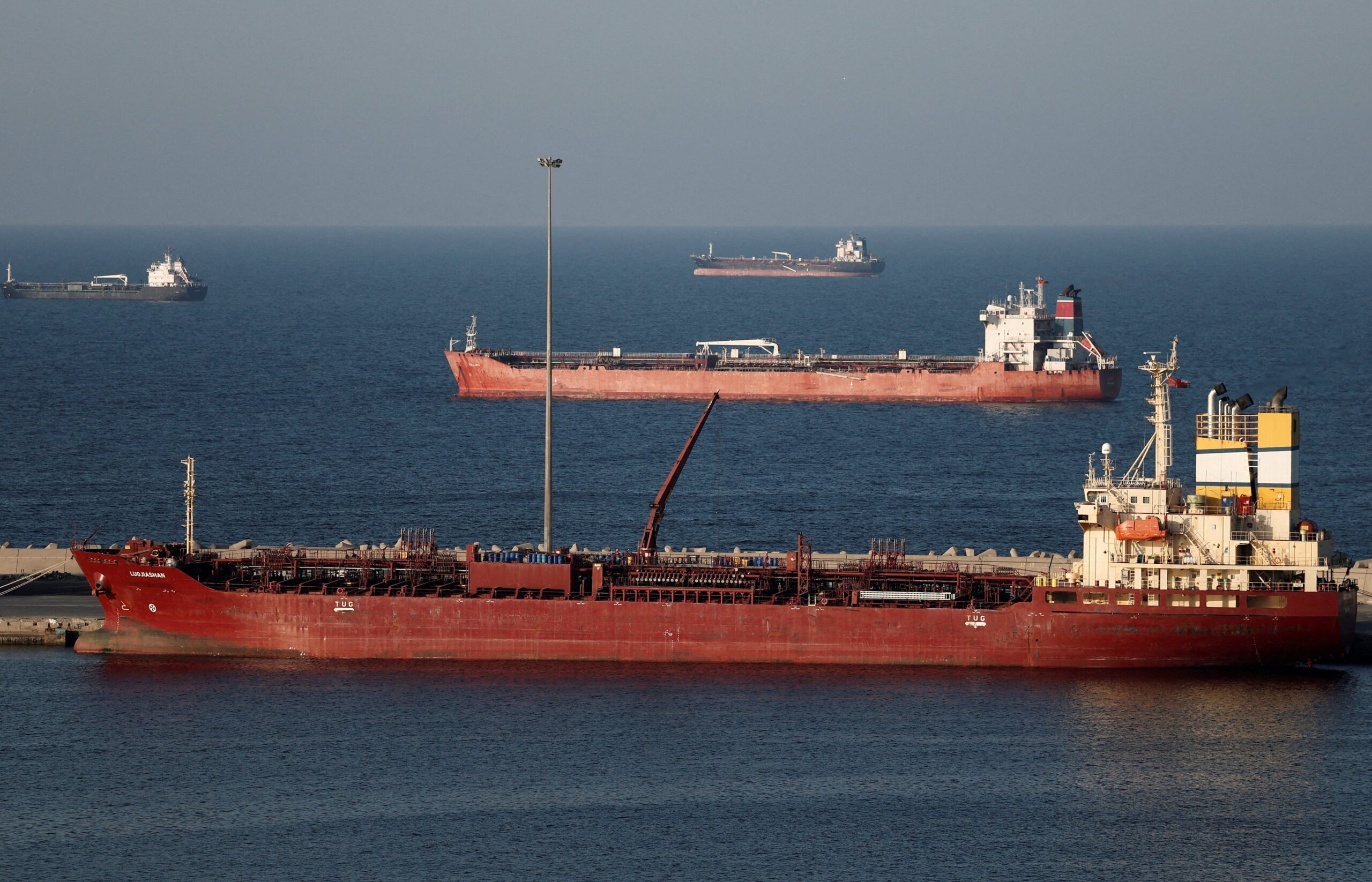
Instability in the Gulf, particularly around key shipping corridors, has triggered upward pressure on global oil prices.
Kenya, which relies heavily on imported fuel, is already readying itself for higher pump prices, increased transport costs and rising food prices.
Agencies report that Kenya is now bracing for tighter fuel supplies as the war in Iran disrupts shipments through the Strait of Hormuz, threatening the nation’s already thin buffer of imported oil.
With the country consuming about 100,000 barrels of fuel daily and relying entirely on imports, Kenya faces the risk of shortages, if even a single shipment fails to arrive.
Oil prices have soared since the US and Israel started bombarding Iran late last month and are currently hovering at around $100 a barrel.
According to Bloomberg, about 600,000 barrels a day of refined oil products that usually flow to Africa from the Middle East are now at risk, forcing governments to seek alternative suppliers.
The knock-on effect is inflation, a politically sensitive issue that has previously triggered public unrest.
June 2024 Gen Z-led protests were driven in large part by the high cost of living, exposing the fragility of the social contract between citizens and the state.
A sustained rise in prices linked to the Middle East conflict could recreate similar conditions, placing the administration of President William Ruto under renewed pressure.
But the risks extend beyond fuel prices. The report highlights how disruptions in the Gulf could shift pressure to alternative global trade routes, particularly the Red Sea corridor.
The Horn of Africa—Ethiopia, Djibouti and Somalia— will particularly feel the pressure as this corridor is a lifeline for trade, energy supplies and economic stability.
Any escalation involving Iran-linked actors, including potential disruptions to maritime traffic, could raise insurance costs, delay shipments and increase the price of goods entering the region.
Kenya’s majority of its imports ad exports pass through the Port of Mombasa and connect to global shipping networks via the Red Sea. Such disruptions will oly compound existing economic pressures.
The crisis, therefore, presents a layered risk: higher global oil prices on one hand, and more expensive, less reliable supply chains on the other.
These pressures are deeply interconnected. Rising fuel costs increase the price of transporting goods; disrupted shipping routes increase the cost of importing them. Together, they create a feedback loop that pushes inflation higher and faster, with direct consequences for households.
The report also points to broader vulnerabilities across Africa, noting that more than 20 countries, including Ethiopia and Zimbabwe, are already facing serious financial difficulties. Increased global risk perception driven by the Gulf war is expected to exacerbate Africa’s debt crisis, making it more expensive for governments to borrow and refinance existing obligations.
For Kenya, this could translate into a weakening shilling, higher debt servicing costs and reduced fiscal space at a time when the government may need to intervene to cushion citizens from rising prices.
Such economic strain carries clear political implications.
The report draws a direct link between rising living costs and political stability, warning that governments across the continent are under pressure from young, urban populations demanding economic relief and accountability.
In Kenya, where political mobilisation is already intensifying ahead of the 2027 General Election, the cost of living is likely to remain a central campaign issue.
Opposition figures, including former Deputy President Rigathi Gachagua, have consistently framed economic hardship as a failure of governance. A prolonged Middle East crisis could reinforce such narratives, providing fresh ammunition in the political contest.
At the same time, the government faces a narrowing set of options.
Interventions such as fuel subsidies or tax relief could ease pressure on citizens but would further strain public finances. Conversely, allowing market forces to dictate prices risks fuelling public anger and potential unrest.
The geopolitical dimension adds another layer of complexity.
The report notes that Gulf states, which are key players in the Horn of Africa through investments, security partnerships and political influence, may become more inward-focused as the conflict intensifies.
This could reduce their engagement in countries such as Sudan, Ethiopia and Somalia, creating uncertainty in a region already grappling with conflict and instability.
Kenya plays a strategic role in regional diplomacy and trade. Any destabilisation in the Horn of Africa would thus have spillover effects, including on security, migration and economic integration.
Nairobi’s response so far has been to maintain a posture of neutrality. Foreign Affairs Cabinet Secretary Musalia Mudavadi has emphasised diplomacy, multilateral engagement and adherence to international law as guiding principles.
However, the challenge will be whether such a stance can shield the domestic economy from external shocks.
As the country edges closer to the 2027 elections, the cost of living—shaped increasingly by forces far beyond its borders—could once again become the defining issue in its political landscape.