

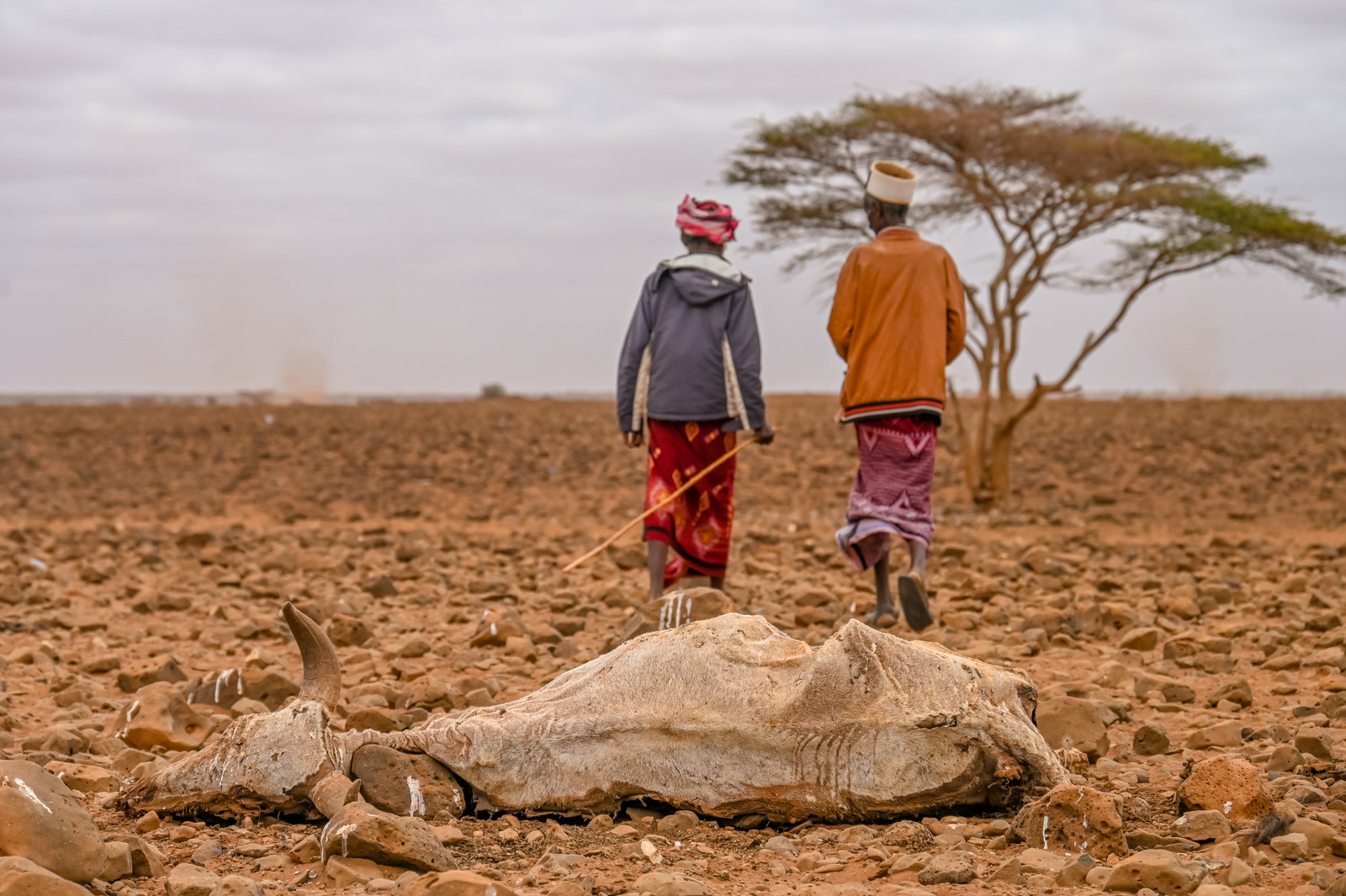
Kenya is facing a deepening food security crisis, with an estimated 3.5 million people now in need of humanitarian food assistance.
The lastest situation analysis report says the worsening situation has been linked to consecutive seasons of poor rainfall across the arid and semi-arid lands (ASALs), where livelihoods depend heavily on livestock and climate-sensitive activities.


The failure of the 2024 and 2025 short rains has left pasture depleted, water sources strained and crop production significantly reduced.
Consequently, there is a sharp increase from 2.2 million last year of people in dire need, raising fresh concerns about the country’s drought preparedness and governance response.
The crisis is also unfolding at a time when humanitarian funding is declining, forcing aid agencies to scale back assistance programmes just as needs surge.
Leaders from drought-affected counties say the situation on the ground is becoming increasingly dire. In northern Kenya, local officials warn that communities are struggling to cope with prolonged dry conditions, rising food prices and dwindling livestock productivity.
Leaders from the North Eastern region say many households have exhausted traditional coping mechanisms, with families relying on relief food and government interventions to survive. In counties such as Wajir, Mandera and Garissa, local authorities say water scarcity and livestock losses are compounding the food crisis.
In Samburu County, leaders warn that drought conditions have pushed many pastoralists into distress migration in search of pasture and water. This movement is increasing pressure on already limited resources and raising tensions among communities competing for grazing land.
Similarly, leaders in Turkana County say the drought has significantly weakened livelihoods, with many families unable to sustain livestock herds that form the backbone of the local economy. Local officials say malnutrition levels are rising, particularly among children, as access to food becomes more difficult.
The unfolding humanitarian crisis has also sparked political debate at the national level, with opposition leaders calling for a more coordinated and transparent response from the government.
Former Deputy President Rigathi Gachagua has criticised what he described as delayed and insufficient interventions, warning that the scale of the drought requires urgent national mobilisation.
Gachagua said the increase in the number of people needing food assistance signals a deeper governance challenge, arguing that drought preparedness and long-term resilience programmes must be strengthened to avoid recurring humanitarian emergencies.
Wiper leader Kalonzo Musyoka has also called for greater support to drought-affected communities, saying the crisis should be treated as a national emergency rather than a seasonal occurrence.
Kalonzo urged the government to scale up relief efforts and ensure that vulnerable populations receive timely assistance, noting that climate shocks are becoming more frequent and severe.
Experts say the growing humanitarian need reflects not only the impact of climate change but also structural vulnerabilities in Kenya’s drought-prone regions. Many communities in ASAL counties rely almost entirely on rainfall for their livelihoods, making them highly exposed to prolonged dry spells.
The situation has been further worsened by declining purchasing power among households. High food prices and reduced incomes are making it harder for families to meet basic needs, even in areas where markets are functioning.
Health and nutrition systems in drought-affected counties are also under strain. Water scarcity has increased the risk of disease outbreaks linked to unsafe water sources, while long distances to water points are placing additional burdens on families, particularly women and children.
Despite these challenges, humanitarian agencies warn that funding cuts are undermining response efforts. Some climate-related programmes that previously supported early warning and resilience building have been suspended, weakening the ability of communities to prepare for and respond to drought shocks.
The Kenyan government has already appealed for Sh13 billion to support drought response efforts, but leaders in affected regions say more urgent action is needed to prevent the crisis from worsening.