
BY AMB BITANGE NDEMO
Last Thursday, I had the privilege to be a panellist at an artificial intelligence conference organized by the Belgium Development Agency, Enabel, together with the Estonian Centre for International Development (ESTDEV) and the Tony Blair Institute for Global Change in Brussels.


The conference “How will AI reshape international development?” focused on the role of artificial intelligence in improving the efficiency of international cooperation while exploring potential areas of cooperation with African partners.
Although there was not enough time to delve deeper into all the issues, my contribution highlighted the importance of AI technology in transforming Africa’s rich and diverse linguistic heritage. By so doing, Africa will become a key player in international relations, fostering investment and sustainable partnerships.
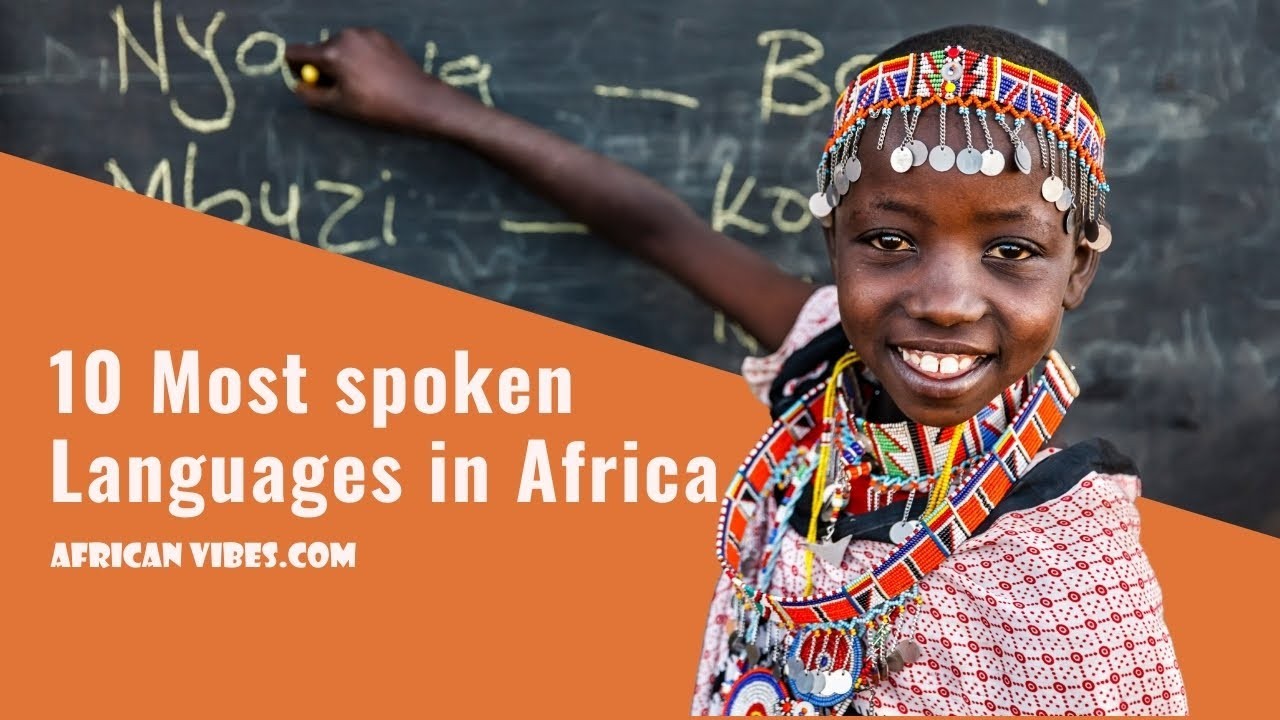
The continent boasts over 2,000 languages spoken by its people. However, this linguistic diversity presents challenges for education and development. Many African children are taught in languages they do not understand fluently, impacting their learning outcomes, cultural identity, and future opportunities. Moreover, numerous African languages are underresourced and underrepresented in the digital sphere, hindering access to the global information society.
Artificial intelligence (AI) holds promise as a solution to these challenges. Through natural language processing (NLP) applications, AI can facilitate communication, translation, and education across languages. NLP, a branch of AI that analyses and generates natural language, enables tasks such as speech recognition, machine translation, text summarization, sentiment analysis, and question-answering. These applications empower African speakers to access information in their languages and bridge linguistic gaps that undermine their potential in global engagements.
Navkiran Singh’s article in Medium shows that India, where NLP has been deployed, aids people with disabilities in sign language interpretation, text-to-speech, digitization of Indian manuscripts, signboard translation, and improving fonts for advertisements, presentations, and reports. NLP is applied to creative tasks like storytelling, and currently, AI story generators that produce believable English tales are available. One day, Indian children can use these AI generators to play and make stories in their native “tongues.” These days, AI allows us to add text voiceovers to our videos.
AI can play a pivotal role in addressing Africa’s language barriers by enhancing linguistic diversity and inclusion. It can bolster digital resources for African languages, which is crucial for NLP application development. Large language models (LLMs) can use NLP capabilities to interpret unstructured text, handwritten records, and local dialects. Additionally, AI can automate NLP resource creation and updates, enrich them with semantic information, and develop applications like speech recognition and translation.
Despite AI’s promises, it faces challenges in Africa, including data scarcity (these models require a considerable amount of data to be accurate), ethical concerns, and limited resources. African languages often lack sufficient data for NLP applications, and users may lack reliable internet access and devices. Ethical and legal frameworks are imperative to safeguard privacy, security, and cultural diversity. Strengthening human and institutional capacities is also vital for AI development and adoption.
Nevertheless, AI presents opportunities to enhance African languages’ digital and economic value. It can create innovative products and services, generate income and employment, and empower African speakers. By amplifying their voice and agency, AI fosters access to information and promotes inclusion. Moreover, AI stimulates innovation among African researchers and developers, driving scientific and technological progress.
AI-driven innovations around African creativity in art, music, literature, and more make the language adventure a business. As such, Africa should focus more on investment partnerships with the European Union, given that the aid model has not met the people’s expectations. These innovations will, in turn, create new jobs and allay the fears of pessimists that AI destroys jobs. It is for that reason that AI regulation could now derail innovation.
Africa stands at the threshold of a linguistic renaissance through the transformative power of artificial intelligence (AI). Despite challenges such as data scarcity and ethical considerations, the potential of AI to enhance linguistic diversity and drive economic growth is immense.
By forging strategic partnerships, investing in human capital, and establishing robust regulatory frameworks, Africa can harness AI-driven innovations to ensure that every voice is heard and every language is valued. Embracing this journey towards inclusivity and opportunity, AI promises to guide Africa towards a future where linguistic diversity is celebrated and prosperity is within reach.
Prof Bitange Ndemo is Kenya Ambassador to Belgium.
This article was first published on his LinkedIn.