Women human rights defenders have raised concerns over possible internet shutdowns, abductions, enforced disappearances and increasingly sophisticated digital attacks as Kenya prepares for the 2027 polls.
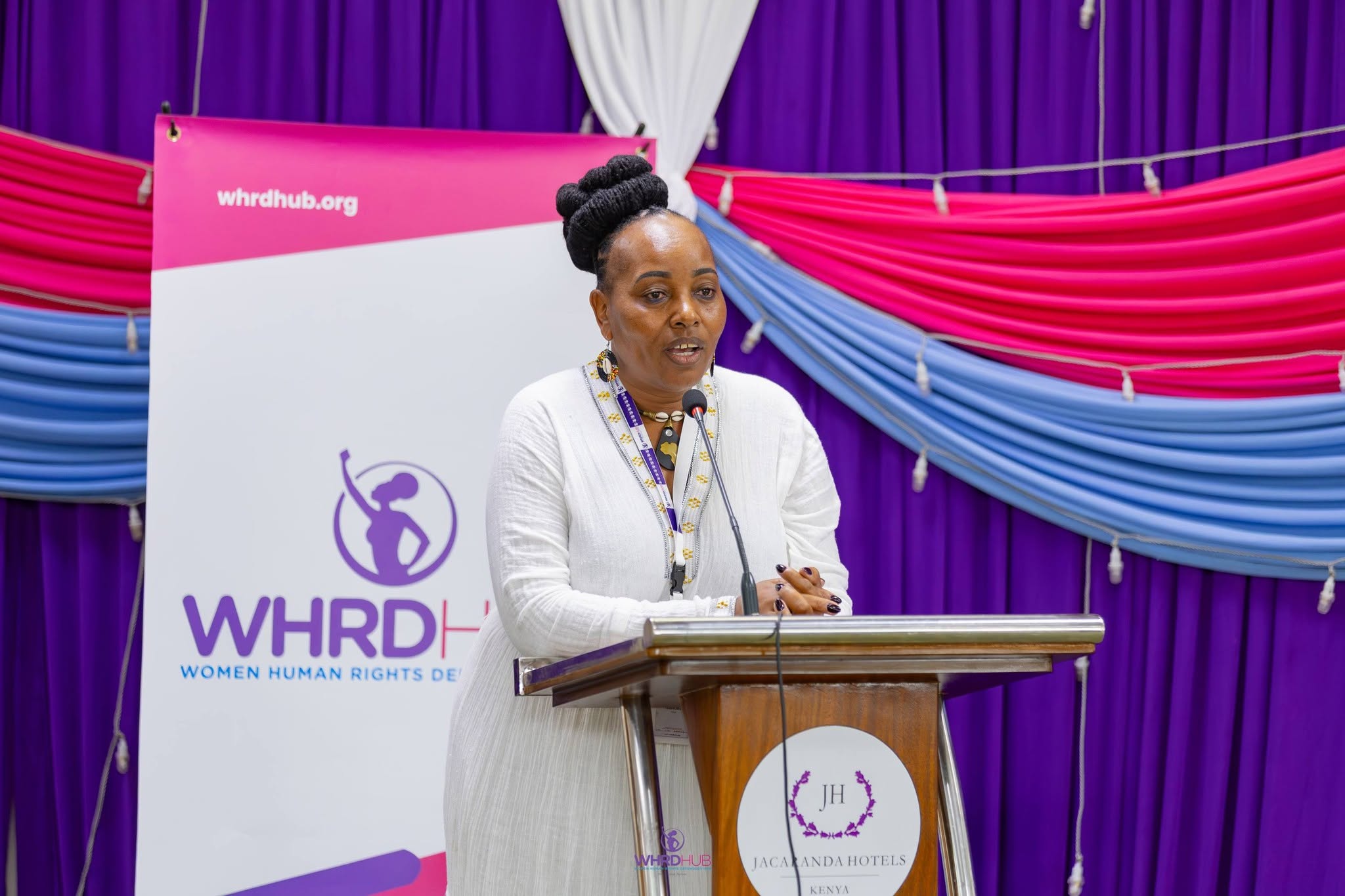
At the second day of the Women Human Rights Defenders Hub Women’s Leadership, Democracy and Resilience Summit 2026 in Nairobi, participants warned that deteriorating civic space and inadequate protection mechanisms could expose women activists, political aspirants and community organisers to heightened risks during the electoral period.
The discussions brought together women defenders from Kenya and other African countries, civil society organisations, religious leaders and constitutional commissions to assess existing security arrangements and identify gaps in protecting women participating in democratic processes.
Delegates identified internet shutdowns as a particular threat, warning that restricting access to digital platforms could undermine civic participation while making it harder to document human rights violations during protests and political unrest.
They also raised concerns over abductions and enforced disappearances, alongside the growing use of digital tools to intimidate women through disinformation, impersonation, misuse of personal data, shadow banning and artificial intelligence-generated sexualised images.
The discussions highlighted a growing connection between physical and digital security, with participants arguing that attacks targeting women online can translate into real-world threats to their safety and political participation.
Other gaps identified included inadequate access to legal assistance, psychosocial support, safe houses and gender desks, as well as weak public confidence in security agencies, electoral institutions and the Judiciary.
Opening the day's discussions, Canon Evans Oloo drew on Psalm 11:3, asking: “When the foundations are shaken, what can the righteous do?”
Oloo warned that civic space could tighten further as the country approaches the elections, urging women to translate their numerical strength into political influence by participating in political parties, party primaries and supporting credible female candidates.
The session also revisited the historical role of religious institutions in Kenya's democratic struggles, with participants calling for grassroots mobilisation of women across all 290 constituencies.
Women Human Rights Defenders Hub Executive Director Salome Nduta emphasised that women's safety must be incorporated into election preparedness, including recognising the financial and practical costs of political participation, such as childcare.
A testimony from a participant who sought refuge in a toilet cubicle during the June attack at All Saints Cathedral in Nairobi reinforced calls for places of worship to remain accessible as safe spaces for people fleeing violence, regardless of their political or social affiliations.
Participants challenged religious institutions to remain politically neutral, reject political money and avoid allowing politicians to use pulpits for partisan mobilisation.
They also called on churches and other religious institutions to provide refuge during unrest, promote dialogue and non-violence, challenge practices that normalise violence against women and offer civic and voter education in local languages.
The organisations identified for coordinated engagement included the Inter-Religious Council of Kenya, the Supreme Council of Kenya Muslims and the National Council of Churches of Kenya.
Beyond identifying threats, the summit focused on practical protection measures, introducing a four-part threat assessment framework based on interest, capacity, intent and relationship.
Working groups examined security protocols before and during demonstrations, responses to arrests and disappearances, protection of offices and sensitive information, digital hygiene and emerging risks associated with artificial intelligence.
Experiences from Tanzania, Guinea, Zimbabwe, Sudan, South Sudan and Benin also informed discussions on how women defenders could strengthen regional protection networks.
The Hub committed to sharing a safety planning template, establishing a walk-in digital security clinic and providing counselling, wellness support, business literacy training and leadership development throughout the summit week.
Participants identified eight priority areas for strengthening protection, including personal security, engagement with police and the Directorate of Criminal Investigations, collaboration with constitutional commissions and government agencies, witness protection, and access to medical, legal and psychosocial support.
Other priorities included stronger relationships with mainstream media, carefully managed solidarity networks and improved digital security, which participants described as “the frontier we cannot get wrong.”
The discussions will inform the summit's final communiqué, which is expected to outline recommendations on election preparedness, legislation addressing technology-facilitated gender-based violence, digital security, data protection, electoral integrity and institutional independence.
The communiqué is also expected to address expanded protection infrastructure, sustainable financing for women defenders, the security of civil society organisations and stronger collaboration between constitutional commissions, religious institutions and regional protection networks.
The WHRD Hub Women’s Leadership, Democracy and Resilience Summit 2026 is taking place in Nairobi from November 23 to 27, bringing together women human rights defenders, leaders and partners from Kenya and across the region to strengthen solidarity and advance collective approaches to women's safety, leadership and democratic participation.