
The regional bloc IGAD has renewed calls for an immediate and unconditional ceasefire in Sudan.
At the same time, Intergovernmental Authority on Development on Tuesday warned that competing mediation efforts cannot deliver lasting peace without a coordinated political process owned by Sudanese themselves.
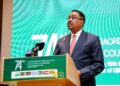
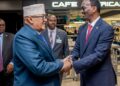
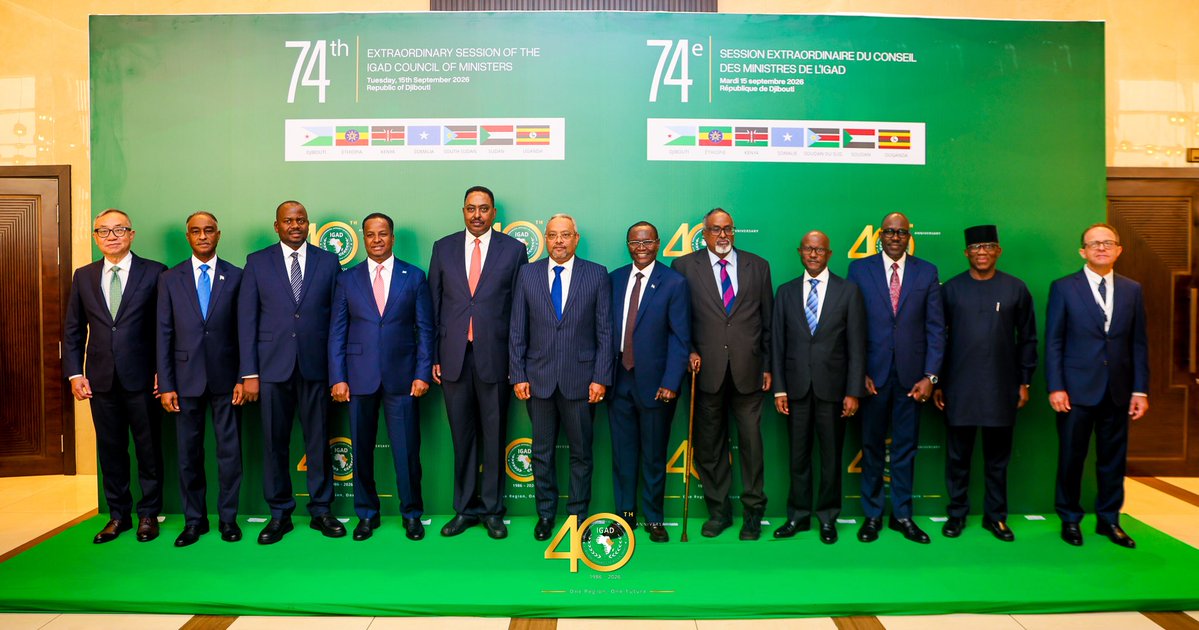
In a communiqué issued after its 74th Extraordinary Session in Djibouti, IGAD demanded an end to hostilities, the protection of civilians and civilian infrastructure and safe, rapid and unimpeded humanitarian access across Sudan.
The regional bloc said a Sudanese-led and Sudanese-owned inclusive political dialogue remained the shortest route to durable peace, while calling for greater coordination among international and regional actors involved in efforts to end the conflict.
IGAD specifically called for diplomacy to be aligned with the Quintet, comprising the African Union, IGAD, United Nations, League of Arab States and European Union, alongside other key partners.
The call comes as international efforts to end the war between the Sudanese Armed Forces and the Rapid Support Forces continue, more than three years after fighting erupted in April 2023.
The bloc’s latest position reflects growing concern that multiple diplomatic initiatives risk producing parallel tracks rather than a single coherent process.
In July, IGAD convened its third meeting of special envoys and representatives in Nairobi under the theme “Harmonizing Regional and International Mediation Efforts for the Sudan Peace Process.”
The meeting brought together representatives of the Quintet and other diplomatic and mediation actors to examine ways of strengthening coordination.
Kenya hosted the meeting, with Prime Cabinet Secretary and Foreign Affairs CS Musalia Mudavadi officially opening the forum. IGAD Executive Secretary Workneh Gebeyehu said the Nairobi meeting was intended to develop a shared understanding of the crisis, strengthen strategic coherence and identify areas where different mediation efforts could complement rather than duplicate one another.
The push for a unified diplomatic track has gained momentum in recent months.
The Quintet held consultations with Sudanese political and civilian stakeholders in Addis Ababa in June and subsequently began leadership-level discussions with Sudanese political blocs and parties.
IGAD said in August that the consultations were intended to build confidence and a common understanding necessary for a credible Sudanese-owned political process.
The five-member grouping also undertook a Good Offices mission to Khartoum from September 8 to 10, meeting senior government officials as well as political and civilian actors.
At the conclusion of the mission, the Quintet reiterated its commitment to an inclusive, Sudanese-led and Sudanese-owned political process aimed at ending the war and creating the conditions for a democratic, civilian-led government.
The renewed push also comes against an increasingly severe humanitarian backdrop.
The IGAD communiqué estimates that almost 19.5 million people in Sudan face crisis levels of hunger, while about nine million people remain displaced by the conflict. It also estimates that 825,000 children under five are expected to suffer severe acute malnutrition in 2026.
The humanitarian response is simultaneously facing a major funding squeeze. The World Food Programme said this week that its Sudan budget for 2026 had fallen to about $206 million from $645 million the previous year, leaving it able to reach only a fraction of those in need.
The bloc also warned against the consequences of the conflict spreading further across the region, stressing that instability in Sudan cannot be isolated from the wider security and economic interests of IGAD member states.
The renewed diplomatic push places Nairobi once again at the centre of regional efforts to resolve the Sudan conflict after SAF rejected the push under President William Ruto citing bias towards RSF.
IGAD’s call is also seen by regional analysts as yet another appeal for the international community to speak and act through a more coherent diplomatic framework while keeping Sudanese actors at the centre of the political process.