


President William Ruto’s plans for a state visit to Egypt are back on track after cancelling it in June last year following Gen Z demonstrations in the country.
President Ruto was also expected to attend a dialogue in Cairo to discuss the security situation in Somalia, the DRC and Sudan.

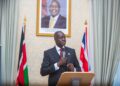
Ruto met Egypt Ambassador to Kenya Wael Nasreldin Attiya at State House Nairobi, indicating the visit is scheduled soon.
“The relations between Kenya and Egypt go back to the 1950s when the North African country supported our fight for independence and freedom. These relations have blossomed in the past 60 years to include strong diplomatic and trade ties.
“Our trade has increased significantly, boosted by our membership of the Common Market for Eastern and Southern Africa (Comesa) and the Tripartite Free Trade Area,” the President said on X.
On July 20, following the cancelation of the visit, Ruto called his Egyptian counterpart Abdel Fattah el-Sisi and discussed bilateral ties as well as the security situation on the continent.
“President El-Sisi and President Ruto confirmed that they look forward to further advancing bilateral cooperation across all domains and to promoting relations toward broader prospects in the coming period to serve the interests of both Egypt and Kenya,” Egypt’s Presidency said in a statement.
Later in August, Minister of Foreign Affairs, Immigration and Egyptian Expats Badr Abdelatty met with President Ruto on the sidelines of the swearing-in of Rwanda President Paul Kagame and delivered a verbal message from El-Sisi that included an invitation to Egypt.
“Minister Abdelatty underscored the importance of consolidating bilateral ties by bolstering trade exchange, and increasing Egyptian investments in Kenya through public-private partnerships in the sectors of transport, infrastructure and irrigation,” Egypt Today reported.
President Ruto welcomed the invitation to hold a visit to Cairo, expressing eagerness to boost economic relations and hold continuous consultations and coordination on affairs pertinent to water disputes, resolving issues in peaceful ways, and establishing peace and security on the international and regional levels.