

Kenya is targeting a tenfold increase in fuel traffic to Rwanda through the Northern Corridor, in a deal that could strengthen Mombasa’s position as a key petroleum gateway for landlocked East Africa.
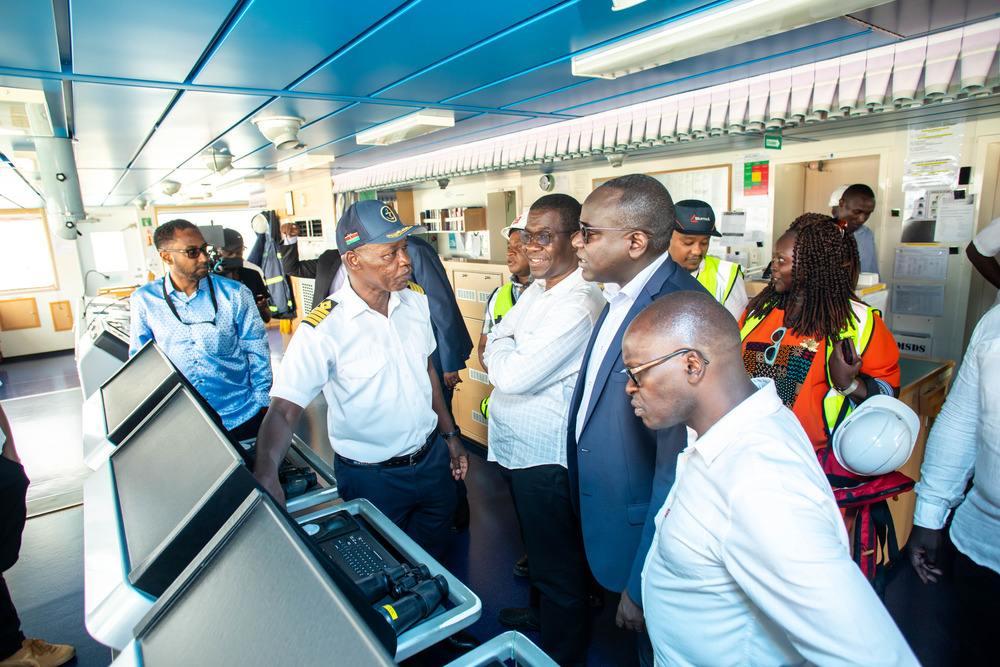
The push was marked by the arrival of a 40,000-tonne consignment of refined petroleum products for Rwanda at the Kenya Pipeline Company’s Kipevu Oil Terminal 2 in Mombasa on Tuesday.


The shipment, carried by MT Sea Wolf, is the first cargo under a new framework between Kenya and Rwanda aimed at expanding bulk petroleum imports through Kenya.
The deal offers Nairobi an opportunity to turn Mombasa and the Northern Corridor into a bigger regional petroleum business, with increased volumes potentially benefiting the port, KPC’s pipeline and storage infrastructure and transport and logistics operators along the route.
Energy and Petroleum CS Opiyo Wandayi said the framework could transform the scale of petroleum traffic between the two countries.
“This framework is projected to grow the volume of petroleum products moving through our Northern Corridor to Rwanda tenfold over the coming years,” Wandayi said.
He said the development was a vote of confidence in Kenya’s port infrastructure, institutions and regulatory environment, while positioning the country as a logistics and energy transit hub for the East African Community.
The arrangement is significant because Rwanda imports all of its petroleum products and is seeking to reduce its dependence on any single supply route.
Rwanda Infrastructure Minister of State Armand Zingiro said recent disruptions beyond Rwanda’s borders had demonstrated the vulnerability of relying heavily on one corridor or supplier.
“Our government’s response has been deliberate, to diversify our import routes and reduce our exposure to any single corridor or supplier,” Zingiro said.
The new Kenya route is part of a wider effort by Kigali to build more resilient fuel supply chains.
Rwanda has also opened a route through Tanzania’s Port of Tanga, giving it an alternative to the Northern Corridor and allowing Kigali to spread its petroleum imports across different supply channels.
That creates a regional competition in which Kenya will have to demonstrate that Mombasa can offer Rwanda reliable, cost-effective and efficient access to petroleum products..
More Rwandan fuel moving through Mombasa would mean greater utilisation of Kipevu Oil Terminal 2 and KPC’s pipeline and storage facilities, while generating additional business for the wider Northern Corridor logistics chain.
The development also fits into Kenya’s broader effort to consolidate Mombasa’s role as the petroleum gateway for landlocked countries in the region.
Uganda already uses Kenya’s port and pipeline infrastructure extensively for its petroleum imports. Although the Uganda and Rwanda arrangements are separate, both strengthen the case for Kenya to capture a larger share of East Africa’s petroleum transit market through Mombasa.
The Kenya-Rwanda framework is anchored in an MoU signed by Kenya’s Ministry of Energy and Petroleum and Rwanda’s Ministry of Trade and Industry on June 29, 2026.
It is backed by a tripartite agreement involving the two ministries and the Rwanda National Energy Company, as well as a Transport and Storage Agreement between KPC and the Rwandan company.
The KPC-RNEC agreement covers transportation, storage, scheduling and handling of Rwanda’s petroleum imports through Kenya’s pipeline and terminal infrastructure.
The government-to-government framework is also about Kigali gaining greater control over the procurement, movement and storage of fuel.
Zingiro said the arrangement would replace what had largely been commercial arrangements with a framework giving Rwanda greater control over its fuel supply chain.
The deal therefore serves two strategic interests at once.
Rwanda gets another route for securing fuel supplies, while Kenya gets an opportunity to expand the regional market for its port and petroleum infrastructure.
Wandayi linked the arrangement to wider EAC and African Continental Free Trade Area ambitions, saying it demonstrated the deeper economic integration being built between East African countries.
But the projected tenfold growth will ultimately depend on whether Kenya can turn the new framework into sustained commercial volumes.
Rwanda’s parallel development of the Tanga route means Mombasa will not have the market to itself. The competition could put pressure on Kenya to maintain competitive costs, reliable infrastructure and efficient clearance and transit procedures.
For the Northern Corridor, however, the arrival of Rwanda’s first bulk consignment marks a significant expansion of its potential role in regional energy trade.
The immediate cargo may be 40,000 tonnes. The bigger prize for Kenya is the prospect of turning Rwanda into a much larger and more regular customer of Mombasa and the Northern Corridor.