
MACHARIA WANGUI
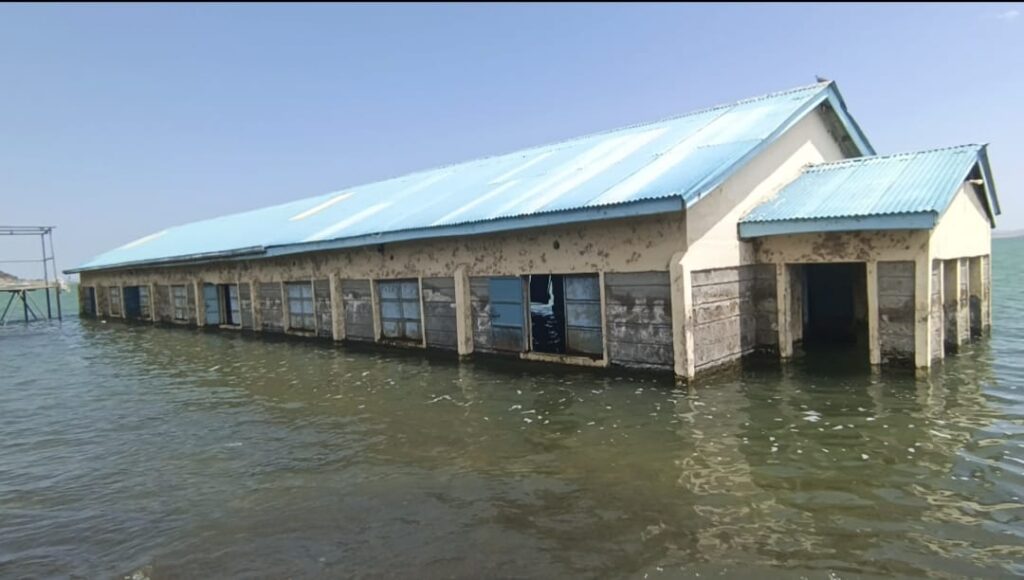
Eight months after the government made a promise it never kept, World Vision has stepped in to save El Molo Bay Primary School, which has been swallowed by the rising waters of Lake Turkana.


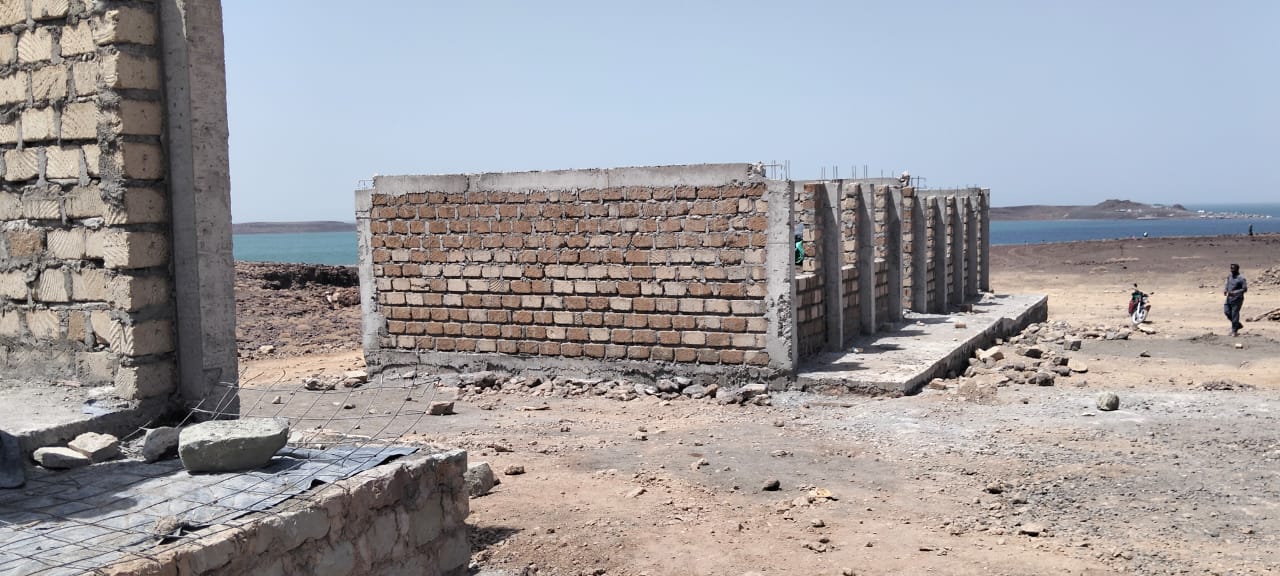
World Vision has begun a Sh40 million project to relocate the school in Loiyangalani. The move comes after the government abandoned a pledge made in August 2025, when Public Service and Special Programmes CS Geoffrey Ruku flew there following media pressure—then vanished, with no action since.
Now, with the school half-submerged and families watching their heritage wash away, World Vision is doing what the state would not: securing the future of El Molo children.
A COMMUNITY UNDER SIEGE
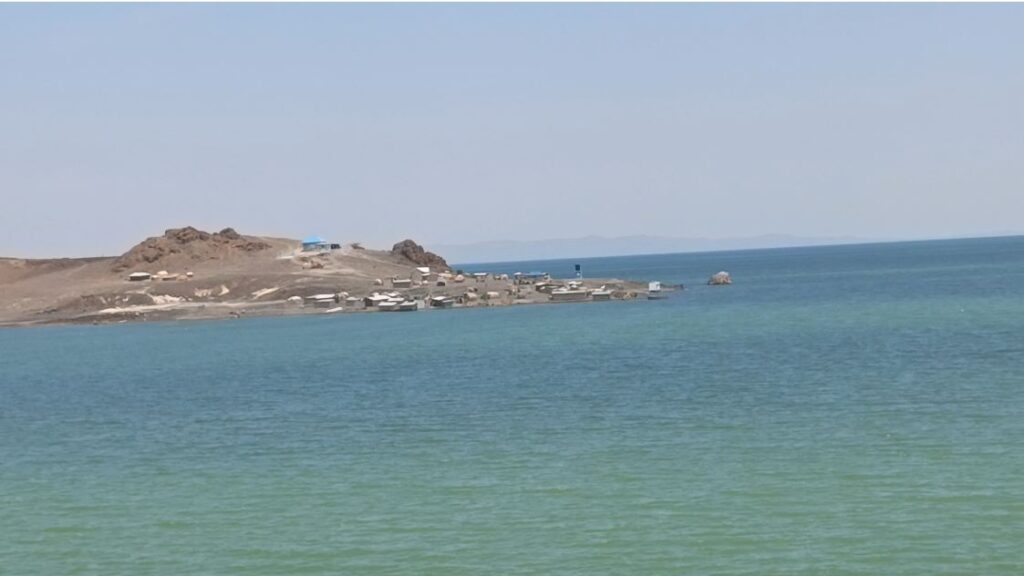
Loiyangalani lies on the shores of Lake Turkana. For generations, the El Molo community lived in harmony with the lake. But the last 10 years have shattered that peace.
The rising waters have swallowed livelihoods, culture, and history. Fishermen who once plied calm waters now brave brutal tides just to earn a living. Those traveling to Lodwar must risk a seven‑hour boat journey across the lake—many have died without a trace.
The landscape itself is being rewritten. The road, shifted three times in six years, now forces drivers to cross the lake to reach the other side.
For the El Molo, the crisis is existential. Their village has become an island. Just three years ago, residents walked freely across what is now open water. Now boats—too few and far between—are the only link between communities. Schoolchildren struggle to reach class. Families watch as their ancestral graves are swallowed by the lake.
A SCHOOL BUILT ON A DREAM, NOW DROWNING
When the vision for El Molo Bay Day and Boarding Primary School was born 35 years ago, the founders chose a spot they believed was safe—high ground, well away from the lake. They never imagined that in three and a half decades, the water would come for it.
Today, half the school is submerged.
The playground is gone and trees that once stood there now half‑sunk, and with them came crocodiles. Teachers now double as guards, watching every pupil who strays too close to the water’s edge. The toilets, the dining hall, the classrooms are all swallowed. The dormitories where children slept have become uninhabitable, flooded and radiating cold from the lake.
The solar panels that powered the school lie broken on the ground, destroyed by rising water.
And beneath the surface? The pit latrines have contaminated the lake. The cemetery is fully submerged. Residents say it has become normal to find a human skull or bone washing ashore.
ECONOMY, FAITH, LIVES—ALL WASHED AWAY
The local fish factory—once a lifeline—is now a memory. All that remains is where it used to be. Places of worship are gone. Graves of loved ones, lost. The entire economic and spiritual fabric of the El Molo is being erased.
“I ask the government and well‑wishers to come and save our school, and also build us another factory—the one we had was taken by the water,” a resident pleaded.
For months, the school management begged for help. In August 2025, CS Ruku flew in after the media spotlight. Then silence. No action. No funds. No relocation.
Parents, pupils, and teachers were left clinging to a pledge that never materialized—even as long rains worsened the disaster.
Now World Vision has stepped in. Construction is underway on higher ground. It is a relief, finally, for a community that has learned not to trust promises.
The tragedy at El Molo Bay is not isolated. Across Kenya’s Rift Valley, lakes are rising—Nakuru, Naivasha, Bogoria, Baringo, and now Turkana.
Experts point to a combination of climate change, deforestation, and tectonic activity. But for communities watching their world sink, the cause matters less than the silence that follows.
The El Molo, one of Kenya’s smallest and most vulnerable indigenous groups, have been left to fend for themselves. Despite sitting near Africa’s largest wind power project, they rely on broken solar panels. Despite living on the shores of a lake that has swallowed everything they built, they wait for help that rarely comes.
Now, at last, for one school, help has arrived—not from the government that promised it, but from an NGO that decided waiting was no longer an option.