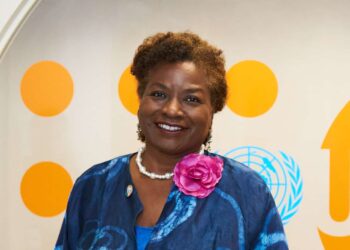

Kenya has concluded months of diplomatic lobbying for Prof Phoebe Okowa’s re-election to the International Court of Justice for a full nine-year term.
Foreign Affairs Principal Secretary Korir Sing’Oei said the campaign involved sustained outreach to United Nations member states, urging them to consider Okowa’s credentials and the principles that should guide the composition of the world’s principal judicial body.

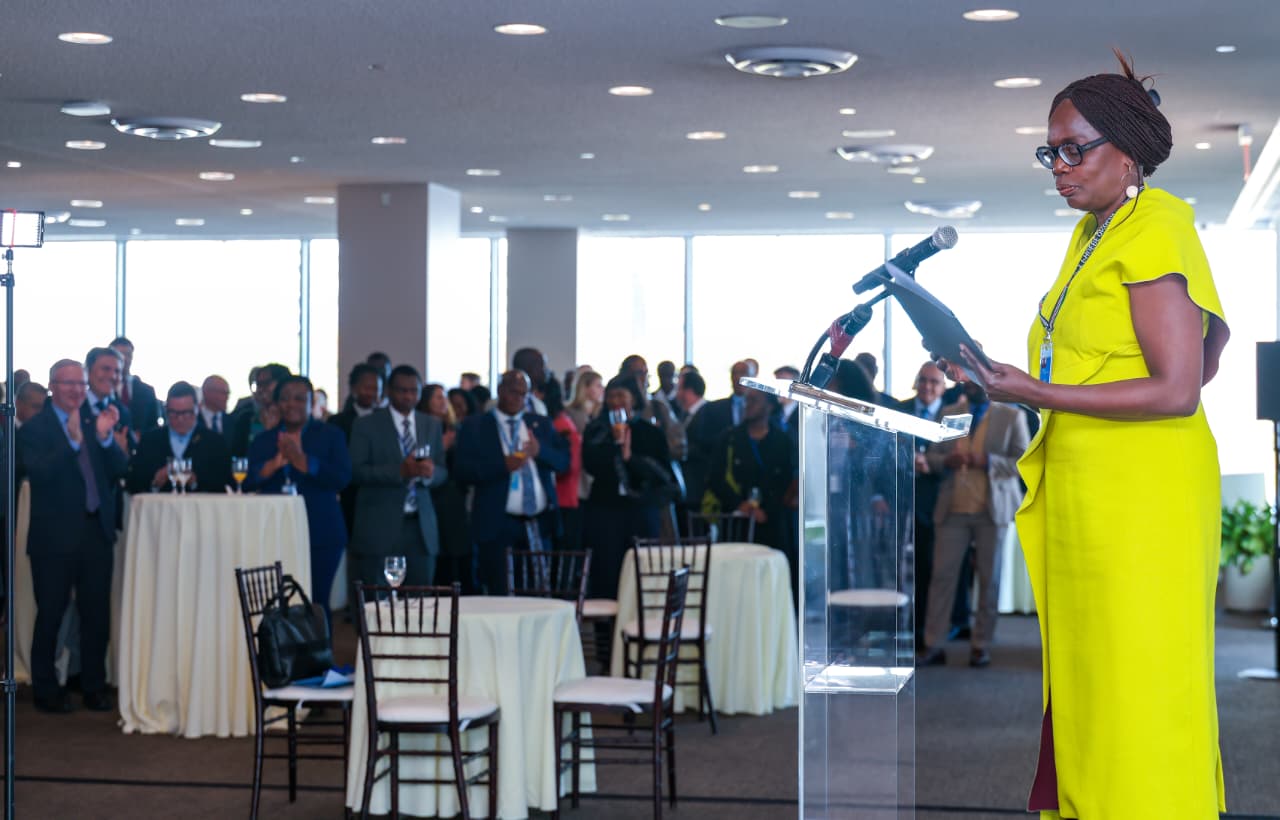
In a statement on Wednesday, October 28, Sing’Oei said the campaign concluded with a reception in New York, where Kenya presented Okowa’s candidacy to members of the international community.
“After months of intense outreach, we concluded the campaigns for Prof Phoebe Okowa for Judge of the ICJ for 2027-2036 term with a reception in New York today,” Sing’Oei said.
He said Kenya had urged UN member states to reflect on the kind of court the international community needs, the principles that should guide its composition and the qualities required of judges entrusted with interpreting and applying international law.
“Prof Okowa answers these demanding standards admirably and we commended her candidature to all,” he added.
The reception was the latest in a series of diplomatic engagements organised by Kenya’s Permanent Mission to the United Nations as Nairobi sought to build support for Okowa ahead of the November 3 election.
On October 6, the mission hosted a cultural tasting event in her honour, thanking supporting delegations for attending the engagement.
Ten days later, Kenya’s Permanent Representative to the UN Ekitel Lokaale, hosted a breakfast meeting between African permanent representatives in New York and Okowa. The meeting sought to rally African diplomatic representation around her candidacy, which the Kenyan mission said had been endorsed by the African Union.
This part of Kenya’s efforts to combine bilateral outreach with continental support as countries prepare to elect judges to the 15-member court.
Okowa is seeking a full nine-year term running from 2027 to 2036 after initially being elected in November 2025 to fill a vacancy created by the resignation of Somali judge Abdulqawi Ahmed Yusuf.
Her current mandate runs until February 2027, making the November election decisive for her continuation on the bench.
The election requires candidates to secure separate absolute majorities in both the UN General Assembly and the Security Council. The process can involve several rounds of voting if no candidate obtains the required majorities.
The ICJ, based in The Hague, is the principal judicial organ of the United Nations. It settles legal disputes submitted by states and issues advisory opinions on legal questions referred to it by authorised UN bodies.
Its judges serve nine-year terms, with elections staggered to maintain continuity in the court’s work. The court’s composition is also expected to reflect the world’s principal legal systems and geographical regions.
Okowa is a professor of public international law at Queen Mary University of London and has extensive experience in international legal scholarship and practice. Her career includes service on the UN International Law Commission and involvement in international legal proceedings.
Her re-election would preserve Kenya’s representation on the court beyond the short term she secured in 2025. The outcome, however, will depend on voting in both the General Assembly and the Security Council, where diplomatic endorsements and campaign outreach must translate into the required majority support.